Contact
/
START YOUR 7 DAY FREE TRIAL
Somatic Movement Education

Where somatic learning meets movement practice.

A nine month education bringing body based somatic learning and physical movement practice into one continuous process, from sensing and awareness to strength, mobility, coordination and skill.

Students learn not only what to practice, but how movement is learned, how different approaches relate, and how to adapt that process for themselves and eventually for others.

9 MonthsOnline + Live LearningEducation & Certification
JOIN THE WAITLIST

Get cohort dates, curriculum, tuition and application details first.

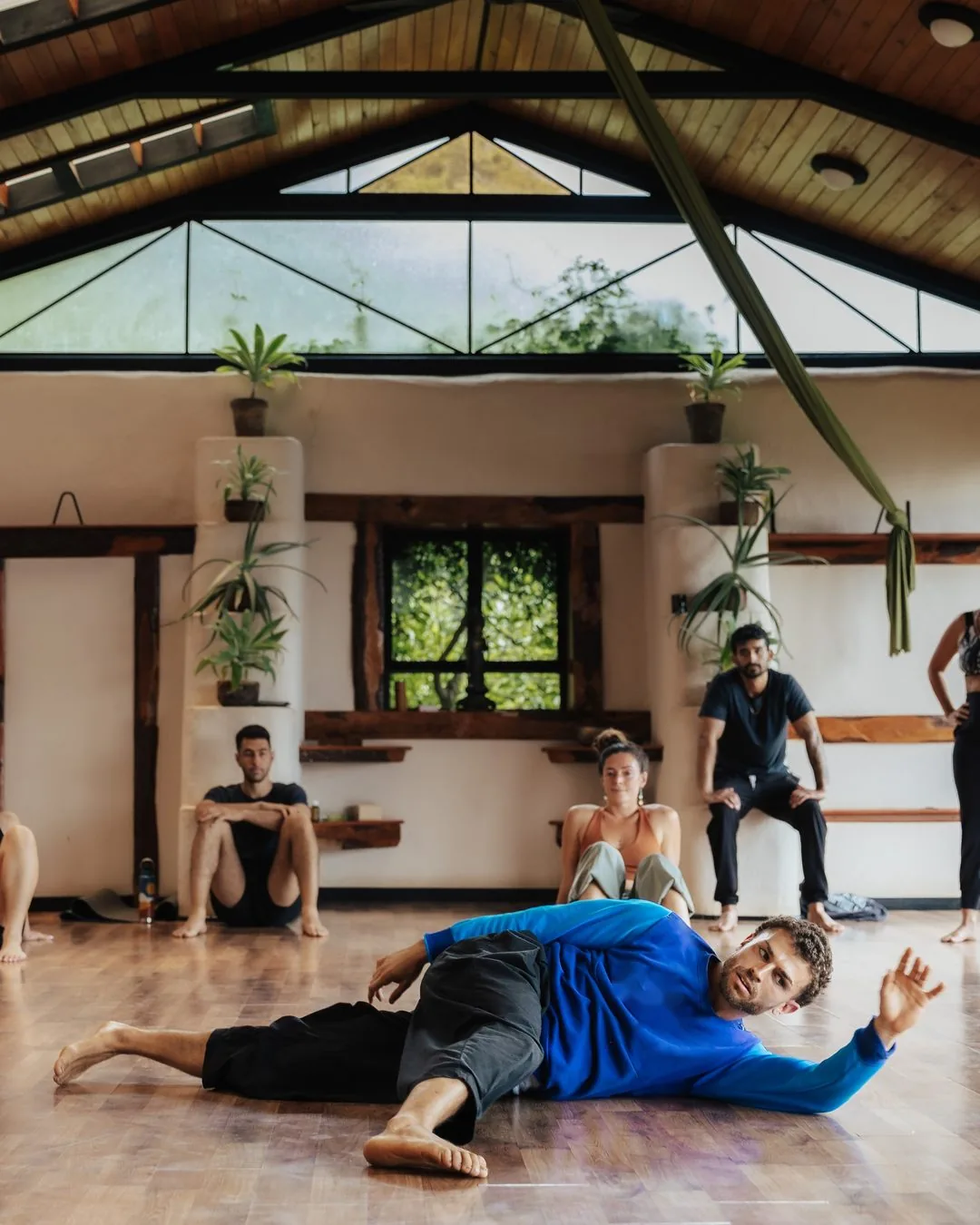
Omar Thali guiding a somatic movement class on the floor while students observe
The Education

One education.
Two interwoven lenses.

Somatic learning develops the ability to sense how the body is organized, recognize habitual patterns and explore new possibilities. Movement practice brings that learning into increasingly complex physical contexts through mobility, strength, coordination and skill.

Sensing informs movement. Movement gives sensing something real to work with.

Somatics Sense · Learn · Organize
01

Sensing & Self Observation

Notice effort, support, tension, breath, asymmetry, orientation and habitual patterns without rushing to correct them.

02

Organization, Breath & Orientation

Through guided exploration and Awareness Through Movement® lessons, sense how the pelvis, spine, ribs, head, eyes, breath and ground support organize the whole body.

03

Exploration, Learning & Facilitation

Use attention, variation, reduced effort and constraints to discover alternatives, refine choice and create conditions for learning.

04

Spine, Pelvis & Differentiation

Differentiate the spine and pelvis through flexion, extension, rotation, side bending and shifting support, and notice how these changes reorganize the whole body.
Movement Capacity · Skill · Expression
01

Mobility & Joint Capacity

Develop usable mobility and joint range across multiple planes and levels, then carry that range into whole body movement.

02

Strength, Calisthenics & Skill

Build adaptable upper and lower body strength through calisthenics, rings, handstands, jumping and scalable skill progressions.

03

Ground Movement, Coordination & Flow

Develop rolling, locomotion, transitions, rhythm, rope flow, spatial orientation and increasingly complex coordination.

04

Spine Articulation & Integration

Apply spinal articulation through different planes and levels, linking the spine to walking, rotation, ground movement, rope flow, strength and expression.

The Somatic Arc
  1. 01Sense
  2. 02Recognize
  3. 03Explore
  4. 04Differentiate
  5. 05Integrate
  6. 06Adapt
  7. 07Guide

Anatomy is an entry point. The deeper progression is learning how to learn through the body.

Across nine months, students move from sensing and recognizing patterns to exploring new possibilities and integrating them into mobility, strength, coordination, skill and everyday movement. The aim is greater adaptability, clearer movement choices and a deeper understanding of how the body learns.

Nine Months · Three Phases

How the education unfolds.

Each phase shifts the emphasis while somatic and movement practice continue throughout. The curriculum moves from sensing and foundations toward physical capacity, integration, application and adaptability.

Months 1–3

Experience & Foundations

Build the foundations of somatic learning through sensing, perception, attention, breath, support and orientation, while beginning to recognize habitual patterns and whole body relationships.

Months 4–6

Movement Capacity & Integration

Develop mobility, joint capacity, spinal articulation, strength, calisthenics, ground movement, rolling, coordination, rhythm and rope flow through increasingly complex physical practice.

Months 7–9

Application & Adaptation

Apply and adapt what has been learned through observation, movement problem solving, progressions and self directed practice, while beginning to explore how movement learning can be guided for others.

How Students Learn
01

On Demand Learning

Topic specific theory videos, movement library access and recordings of live lectures, all available through the course platform to revisit throughout the program.

02

Live Somatic Practice

Guided body based explorations and Awareness Through Movement® lessons that develop sensing, awareness and new movement possibilities.

03

Structured Movement Practice

Progressive physical pathways in mobility, strength, coordination and skill that bring the principles into increasingly complex movement practice.

04

Live Integration

Questions, demonstrations, discussion and practice review that connect somatic learning with movement practice and help students apply what they are learning.

05

Practice & Reflection

Assignments, reflections and movement submissions that deepen understanding and turn concepts into lived experience.

Certification

A certification shaped through practice, integration and application.

The education remains the core of the program. Certification is intended to reflect what students can understand, integrate and apply, rather than attendance alone.

  1. 01Practice

    Personal practice and reflection.

  2. 02Integration

    Connecting somatic and movement learning through observation and understanding.

  3. 03Application

    Applying principles through movement, exploration and progressively more complex contexts.

Personal practice and reflection.

Final assessment requirements will be shared in full before enrollment.

This is an independent professional education and certification. It is not a university degree, government license, clinical credential or Feldenkrais Practitioner qualification.

Faculty

Two perspectives.
One shared education.

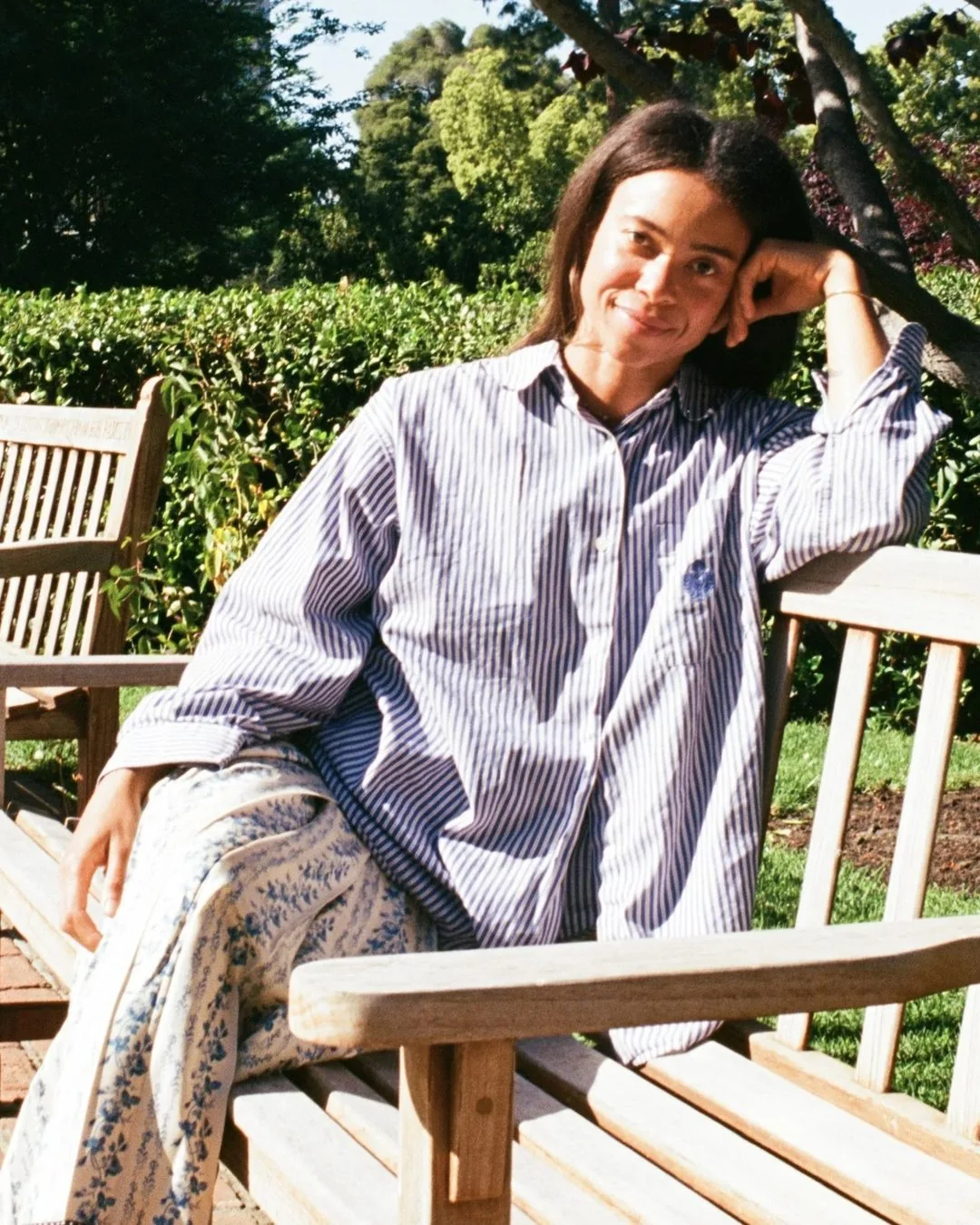
Niki de Saint Amour
Somatic Learning & Awareness

Niki de Saint Amour

Guild Certified Feldenkrais Practitioner

Lecturer of Somatics, San Diego State University

Niki leads the somatic learning foundation of the program through guided exploration and Awareness Through Movement® lessons. Her work helps students sense themselves more clearly, recognize habitual organization, explore alternatives and develop the conditions for learning through direct experience.

Omar Thali
Movement Practice & Integration

Omar Thali

BSc Human Performance · MSc Exercise & Nutrition Science

Former semi professional footballer · NCAA All American

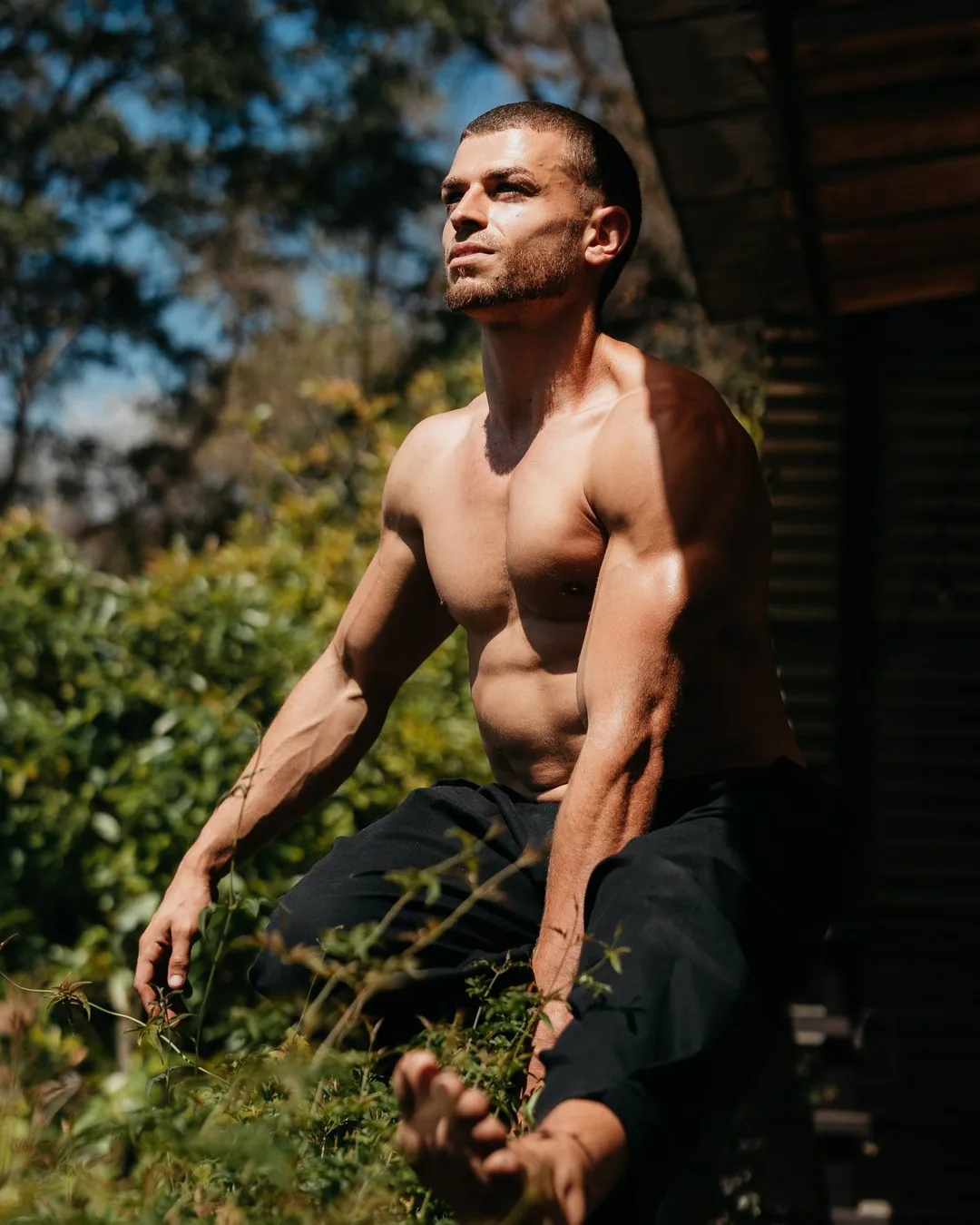
Omar leads the movement practice of the program, carrying sensing and body based learning into mobility, strength, ground movement, coordination and skill. His emphasis is on how physical capacity, perception and learning shape one another.

In Person

Beyond the screen.

Optional international immersions will create space for deeper study through concentrated somatic and movement practice, shared exploration and time together in person. They extend the online education into a more immersive shared setting.

School members will receive a substantial discount on in person immersions connected to the School.

Waitlist

Join the School waitlist.

Receive the full curriculum, cohort dates, tuition and application details when they are released.

Thank you. You’re on the list.

We’ll share the full curriculum, cohort dates, tuition and application details with you first.

FAQ

Questions about
the education

This education is for anyone interested in deeper human development through somatic learning and movement practice. It may be especially relevant to somatic practitioners, movement practitioners, coaches and trainers, but you do not need to already work in the field. It can also offer a practical entry point for gaining clarity about what you may want to explore more deeply next.

No. Advanced physical mastery is not the entry requirement. The practices are designed to offer meaningful starting points and progressions for participants with different levels of experience.

The next cohort is currently planned for the first quarter of 2028. Exact dates will be shared with waitlist members once confirmed.

The core education is designed to be online, combining on demand learning, live teaching and guided practice. Optional international immersions will also be offered.

Certification is intended to reflect what students understand, integrate and apply, rather than attendance alone. Final assessment requirements will be shared in full before enrollment.

No. International immersions are optional and extend the online education through deeper in person study. School members will receive a substantial discount on in person immersions connected to the School.

Full tuition and enrollment details will be shared with waitlist members before applications open.

No. This is an independent professional education and certification. It is not a university degree, government license or clinical credential.

No. The program includes somatic education and Awareness Through Movement® lessons, but completing it does not qualify you as a Feldenkrais Practitioner.